



The Perseid Meteor Shower
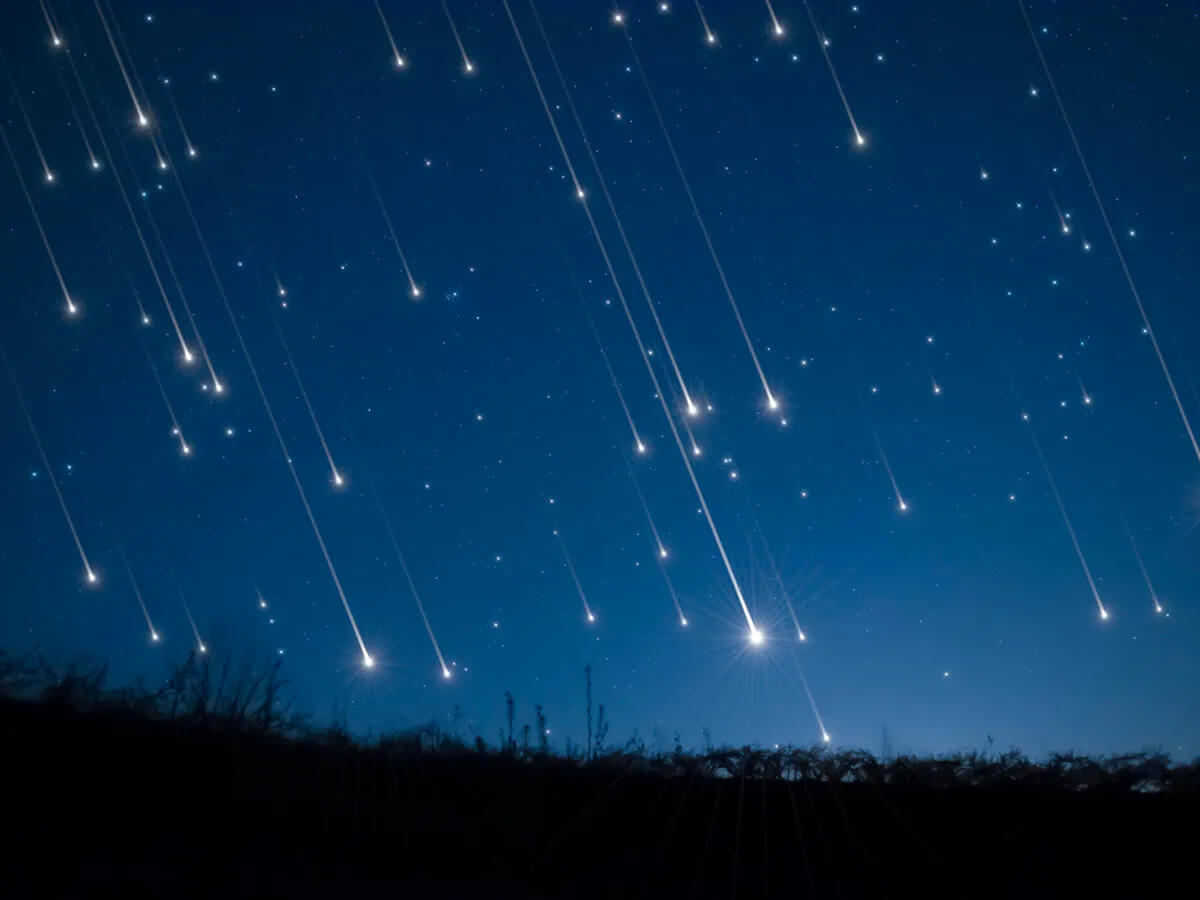
Every summer, Earth crosses the trail of dust left behind by comet Swift-Tuttle. The result? Hundreds of shooting stars light up the sky! The peak is expected around August 12–13, but the event can be seen with the naked eye throughout the month.
A few tips:
- Avoid looking toward the Moon, as its brightness causes light pollution.
- Face northeast, the direction from which the Perseids appear to come.
Cocoon Nebula
Very high in the northeastern sky, the Cocoon Nebula is an easy yet striking target.
Located in the constellation Cygnus, about 3,300 light-years away, it’s a region where stars are being born.
At its core, young stars are still emerging from their cocoon of gas.
A stunning sight to enjoy with your Unistellar telescope.
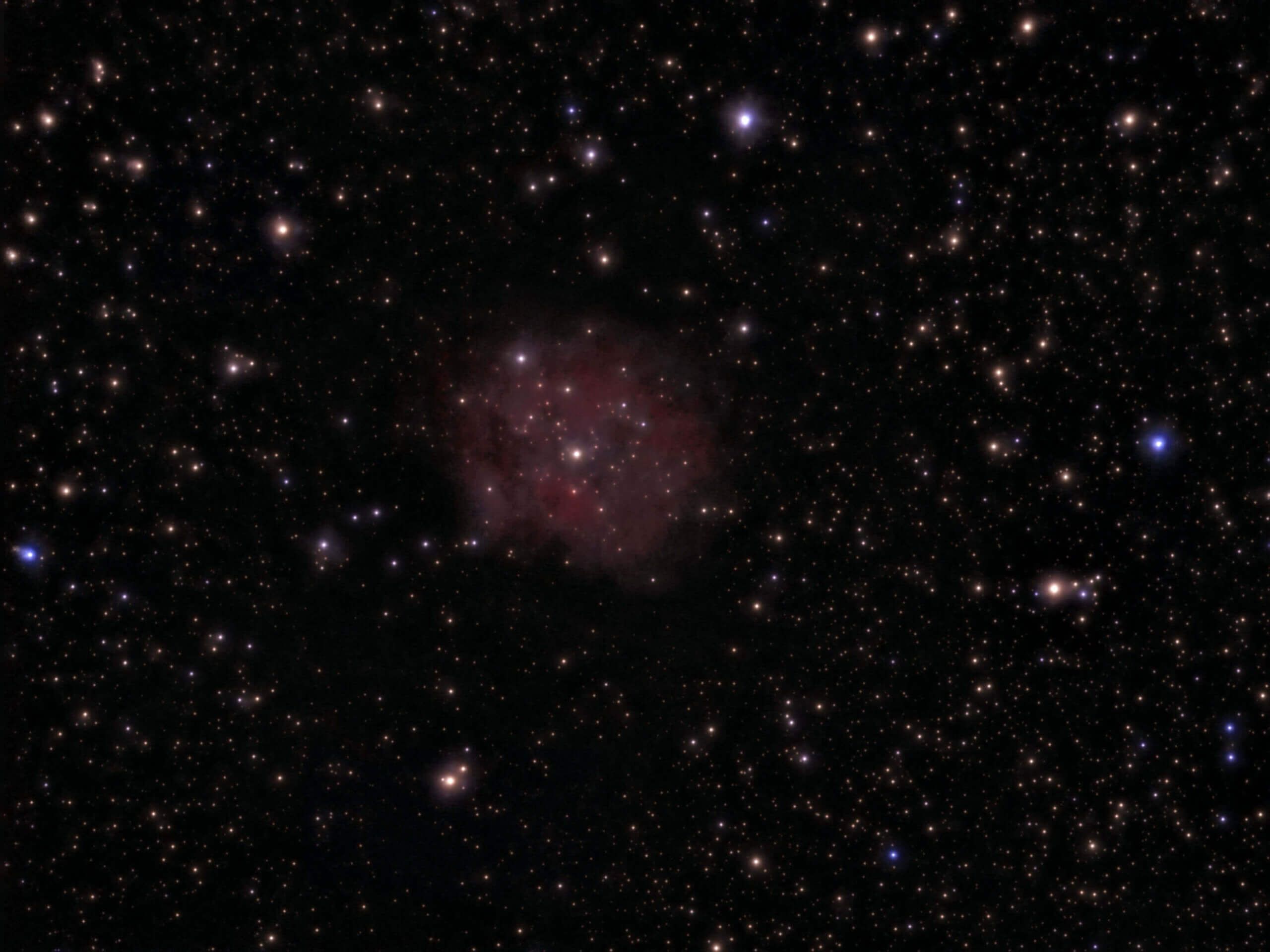
C19: Photo Credit Yvan Arnaud
M24 – Sagittarius Star Cloud
How about starting the new season with a star bath at the heart of our galaxy?
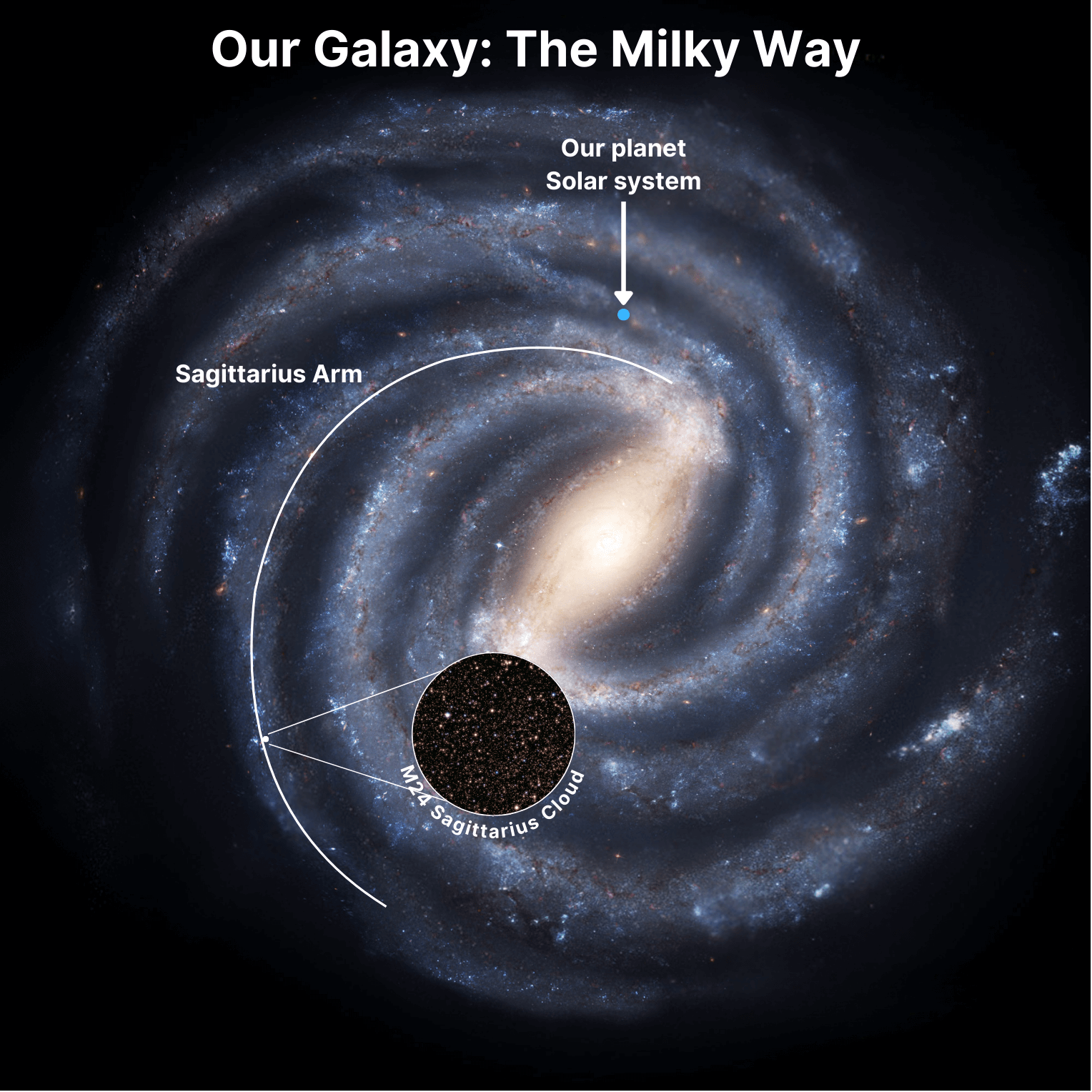
Located about 10,000 light-years away, M24 lies in the Sagittarius-Carina spiral arm of the Milky Way.
It contains several thousand stars — you’ll see young, blue ones and older ones with a reddish hue.
A perfect target to experience the density of our galaxy… and reflect on our place within it, as shown in this diagram.
See you next month for more reasons to look up!
Happy stargazing with UNISTELLAR.
Further readings
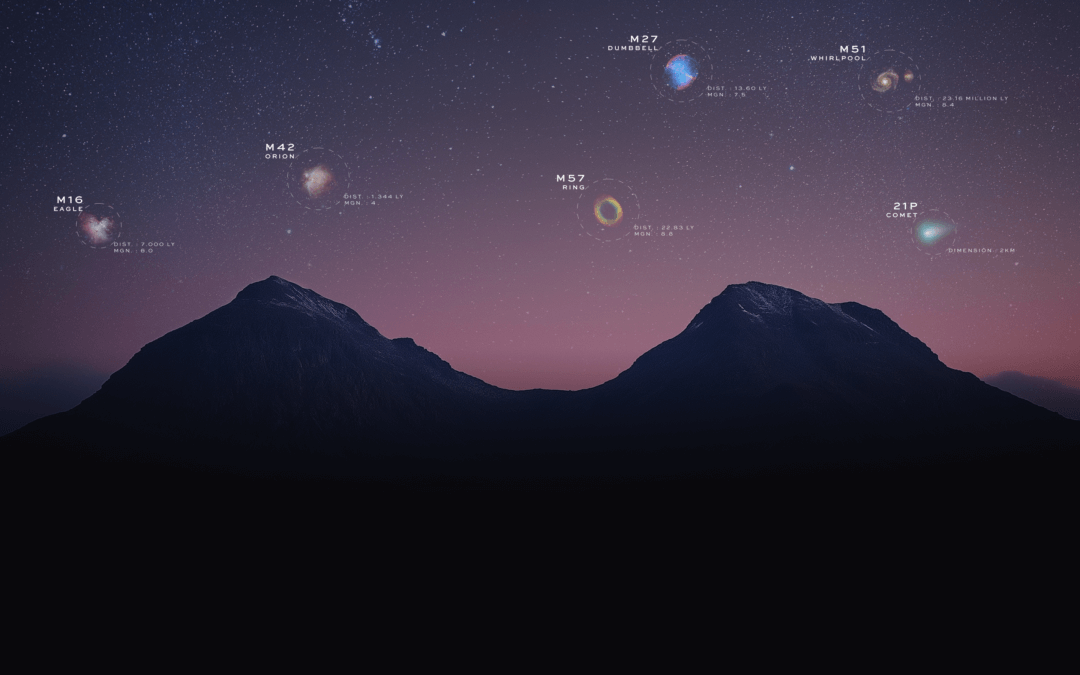
3 Reasons to observe this month
Every month, discover three unmissable celestial events to observe with your Unistellar telescope.
Two spooky appearances in the sky for Halloween
Every month, discover three unmissable celestial events to observe with your Unistellar telescope.
3 Reasons to observe this month Halloween Edition
Every month, discover three unmissable celestial events to observe with your Unistellar telescope.
Titan’s shadows
This summer, the ringed planet Saturn takes centre stage in our night sky, offering amateur astronomers a rare opportunity to observe fascinating transient events.
Observing Eclipses on Jupiter: Cosmic Spectacles Through a Telescope
The latest Unistellar App Update, version V3.0, is now live. Explore a smooth stargazing experience !

Unistellar Community Included In Multiple Scientific Papers
Did you know Unistellar Citizen Astronomers are often cited in published scientific papers? Find out how you can contribute too!